Trustworthy Windshield Fix Services for Secure and Clear Driving
Expert windshield repair services represent a key element in promoting safe and clear visibility. Quick response to fractures and chips will avert additional harm and preserve automobile robustness. Seasoned technicians leverage state-of-the-art methods, frequently delivering timely completion. Yet, ascertaining when professional help is needed and navigating the process might prove intricate. This surfaces important considerations around protection and excellence. What considerations could vehicle operators review when appointing a repair specialist?
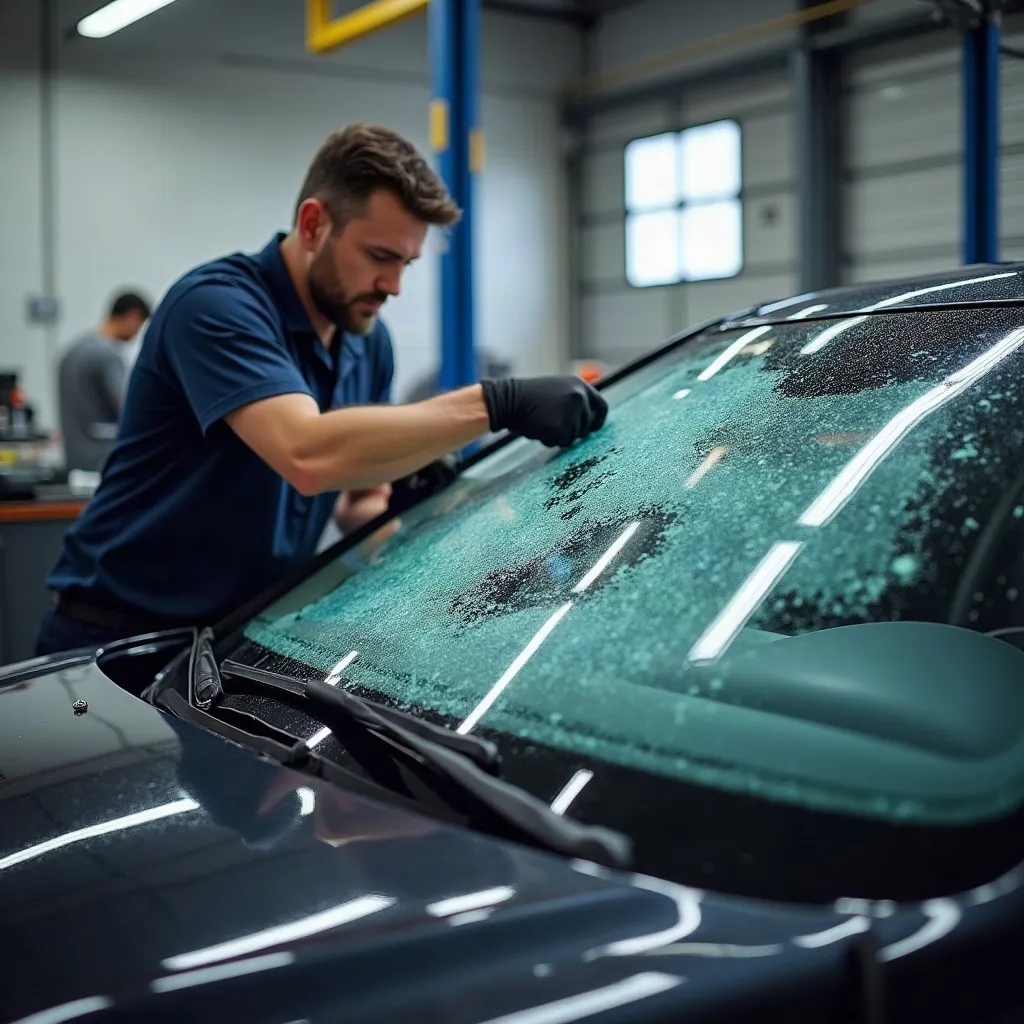
What Indicates When to Arrange Auto Glass Repair Expert Help?
When is it appropriate to think about getting windshield repairs done? This question often emerges when drivers detect damage, such as chips or cracks, on their windshields. A quick response is important; delaying maintenance can make existing issues worse. Factors determining the choice include the extent and position of the damage. Small chips placed away from the driver's line of sight may appear less critical, yet even slight damage can threaten the structural integrity of the windshield. Additionally, weather conditions, such as temperature fluctuations and moisture, can deepen fractures over time. Drivers should also assess the potential effect on sight and security while driving. Moreover, many insurance policies cover windshield repairs, making it a budget-friendly option. Ultimately, obtaining professional repair services without delay can establish safe driving conditions and increase the lifespan of the windshield. Recognizing these factors can help individuals reach sound choices regarding windshield maintenance.
Symptoms You Need Windshield Repair Immediately
Recognizing the signs that show an critical necessity for windshield repair is vital for protection. Cracks or chips, reduced sight lines while driving, and weakened structural support can greatly impact a car's functionality. Tackling these issues promptly can avoid further damage and ensure secure driving environments.
Cracks or Chips Observable
Visible fissures or marks in a windshield often signal an critical necessity for maintenance. These irregularities can compromise the mechanical stability of the glass, making it more susceptible to further damage. Even minor marks can expand due to weather fluctuations or vehicular movements, transforming into larger fissures that may obstruct the driver's perspective. Additionally, fissures can undermine the windshield, amplifying the probability of shattering during a collision. It is prudent for vehicle owners to address these issues promptly, as neglecting repairs can lead to costly replacements and safety hazards. Regular inspections, especially after adverse weather or road debris incidents, can help identify these issues early and guarantee safe driving conditions.
Impaired Sight While Operating a Vehicle
What methods can a operator use to effectively navigate the road with impaired visibility? The solution involves recognizing the indications that signal a need for immediate windshield repair. When a driver encounters light reflection from the sunlight or headlights reflecting off damage, it can severely limit their ability to see the road clearly. Additionally, if rainwater collects in cracks or chips, it may alter vision, creating hazardous driving conditions.
Drivers ought to observe the presence of streaks or smudges that cannot be wiped away, as these can further obscure visibility. Swift maintenance of any windshield harm is necessary; failing to address these indicators not only jeopardizes safety but also increases the likelihood of more extensive repairs needed later.
Compromised Structural Integrity
When a windshield experiences damage, the structural soundness of the vehicle can be weakened, resulting in significant safety hazards. The windshield plays a vital role in preserving the vehicle's general durability, especially during collisions. Fractures or dents can weaken this barrier, making the vehicle less able of withstanding collisions. Indicators requiring prompt repair work consist of noticeable fractures spanning the windshield, significant chips, or any distortion impacting the driver's field of vision. Furthermore, if the windshield appears to be loose or if water leaks into the cabin, these suggest further issues. Swift response to these indicators is essential to restore safety and ensure that the vehicle can perform as designed in an collision, maintaining passenger protection.
What Takes Place During a Windshield Fix?
When a glass restoration occurs, technicians first evaluate the damage to determine its seriousness and choose the correct restoration approach. Following the inspection, the repair process requires multiple actions to restore the durability of the glass. To summarize, a final safety inspection ensures that the solution adheres to safety standards and maintains visibility.
Assessment of Damage
A meticulous review of harm is an essential starting step in the windshield restoration operation. Technicians inspect the windshield diligently to appraise the scope and quality of the harm. They seek cracks, chips, and any signs of fragmentation to determine if the windshield can be fixed or needs replacement. This evaluation involves measuring measuring the size and depth of the harm, as well as its position. Aspects such as proximity to the edges and the driver's line of sight are also considered. Moreover, the technician assesses for any latent problems that might change the repair, such as moisture or debris within the cracks. This rigorous inspection establishes that the succeeding repair process is both effective and safe.
Repair Process Stages
The windshield repair process is carried out step-by-step, commencing with the technician preparing the damaged area. This includes washing the surface key information to remove dirt and debris, ensuring a proper bond. Subsequently, the technician assesses the size and depth of the damage, deciding on the appropriate repair technique. They then inject a special resin into the crack or chip, filling it entirely to restore structural integrity. The resin is cured by exposure to ultraviolet light, which sets it and renders it transparent, blending with the existing glass. After curing, the technician gently removes any extra resin and polishes the surface to achieve a smooth finish. This careful process aims to boost visibility and maintain vehicle safety while minimizing additional damage.
Post-Repair Quality Review
Following the restoration procedure, the technician conducts a meticulous post-repair assessment to confirm the integrity and clarity of the windshield. This step comprises reviewing the repaired area for any imperfections or air pockets that may affect visibility. The technician inspects the bonding agent to confirm it has cured properly, providing structural support. Additionally, they may apply specialized tools to assess the repair's effectiveness, guaranteeing that it complies with industry standards. The technician also checks the placement of the windshield, confirming it is correctly aligned within the frame. Finally, they may clean the glass surface, eliminating any buildup or smudges, which enhances clarity. This meticulous quality check is essential for safe driving and ensures customer satisfaction with the repair.
Why Qualified Windshield Repair Is Preferable Than DIY
Why opt for a DIY approach for windshield restoration when professional services provide accuracy and skill? Professionals have advanced training and expertise that enable them to evaluate and tackle various types of damage effectively. Unlike DIY methods, which may depend on trial and error, skilled technicians use advanced tools and techniques to maintain the windshield's clarity and structural strength.
Moreover, professional repairs frequently come with guarantees, offering peace of mind that do-it-yourself approaches lack. The danger of incorrect fixing is significant; a poorly fixed windshield can compromise protection during operation and lead to further damage. Additionally, professionals adhere to industry standards, ensuring the fix meets safety regulations.
On the other hand, DIY repairs can inadvertently compound the damage or create new issues, bringing about costly replacements. In the final analysis, opting for professional windshield repair is a sensible decision, guaranteeing safety and clarity while traveling.
Finding a Dependable Windshield Repair Provider
What method works best to locate a trustworthy windshield repair provider? First, individuals should seek suggestions from friends, family, or online reviews. A provider with favorable reviews and high ratings often indicates dependability and superior service. Next, verifying certifications and credentials is crucial; professionals should be certified by associations such as the National Windshield Repair Association.
In addition, openness in pricing and service offerings helps establish trust. A trustworthy provider will offer a clear estimate without hidden fees. It's also beneficial to ask regarding the kinds of materials used, as premium adhesives and glass can affect safety and durability.
Ultimately, consider the provider's repair warranty, which indicates confidence in their work. By following these steps, people can make well-informed choices, ensuring they choose a provider who prioritizes customer satisfaction and safety.
What You Can Expect When Your Windshield Gets Fixed?
When a windshield restoration is scheduled, the car proprietor can expect a straightforward procedure that prioritizes effectiveness and protection. To start, a specialist assesses the harm, determining whether a repair is feasible or if a replacement is required. This assessment includes checking the size and position of the chip or fracture, ensuring it doesn't block the driver's view.
After being determined repairable, the technician prepares the area by wiping it and applying a proprietary resin. This resin is injected into the damaged section, successfully sealing it and restoring structural soundness. The process usually takes about 30 minutes to an hour, depending on the damage severity.
After the fix, the specialist may offer advice on what to steer clear of immediately, such as drastic temperature fluctuations. In general, the experience seeks to reduce disruption while ensuring the car is secure for ongoing operation. The result is a clearer and safer windshield, improving the road experience.
Caring After Your Windshield Following-Repair
Maintaining the integrity of the repair after a glass fix is necessary for long-term safety and visibility. To assure peak performance, the vehicle owner should refrain from aggressive cleaning products and abrasive materials, as these can damage the repaired area. Using a mild cleanser with water along with a soft cloth is the best practice for routine cleaning.
Furthermore, it is advisable to allow a minimum of 24 hours before exposing the windshield to severe weather conditions. This allows the adhesive compound to harden completely. Frequently checking the windshield for any signs of new damage is also important; immediate care to damage spots can avoid additional problems.
In the end, stationing your vehicle in sheltered spots can reduce thermal impact on the glass, safeguarding the repair. By adhering to these recommendations, drivers can maintain their windshield's clarity and durability, fostering a safer driving experience.
Popular Inquiries Asked Frequently
What's the Timeframe for a Standard Windshield Repair Service?
A typical windshield fix requires about 30 to 60 minutes. Elements influencing duration include the size and position of the damage, as well as the repair specialist's expertise and the specific repair methods employed.
Will My Insurance Pay for Windshield Damage Costs?
Insurance coverage for windshield repair costs varies by plan. Many insurers include this service, often with no deductible. It is advisable for people to verify with their insurance company for specific information regarding their coverage.
May I Take My Car After a Windshield Repair?
Once a windshield repair is completed, it is typically safe to drive your car. However, it's sensible to pause and let the adhesive cure, usually at least an hour, ensuring ideal bonding and safety during your drive.
What Varieties of Deterioration Can Be Mended?
Windshield damage that may be repaired includes small chips, cracks up to a specific length, and star breaks. Repairs are typically successful if the damage is within the driver's line of sight and not extensive.
How Can I Avoid Windshield Harm in the Future?
To avoid future windshield damage, keep a safe distance between your vehicle and others, avoid driving on unpaved roads, regularly inspect for chips, and position your vehicle in shaded spots to minimize temperature fluctuations that can weaken the glass.